Mastering the Calling Zones: Run-Out Prevention System
Equip your batters with a definitive communication system to eliminate hesitation, reduce run-outs, and turn tight singles into safe runs.

Equipment Needed
1. Overview
Run-outs are often the result of poor communication rather than poor running speed. This set play introduces the Calling Zones System, a structured approach that assigns clear responsibility for calling based on where the ball is hit. By implementing this system, coaches can eliminate the fatal hesitation that leads to run-outs. This resource is designed to be integrated into regular net sessions and open-wicket practices, transforming how your batters communicate under pressure.
2. Setup
To effectively run this drill and implement the system, you will need a standard pitch and a few fielders.
- Equipment Needed: 1 bat per batter, full batting protective gear, 6-8 cricket balls, cones/markers for fielding positions.
- Pitch Setup: A standard 22-yard pitch. If using an artificial surface or nets, ensure the crease lines (popping crease, bowling crease) are clearly marked.
- Player Positions:
- B1 (Striker): At the striker's end.
- B2 (Non-Striker): At the non-striker's end, backing up.
- Fielders (F1-F5): Placed in a ring configuration (Cover, Mid-off, Mid-on, Square Leg, Point) to simulate match pressure.
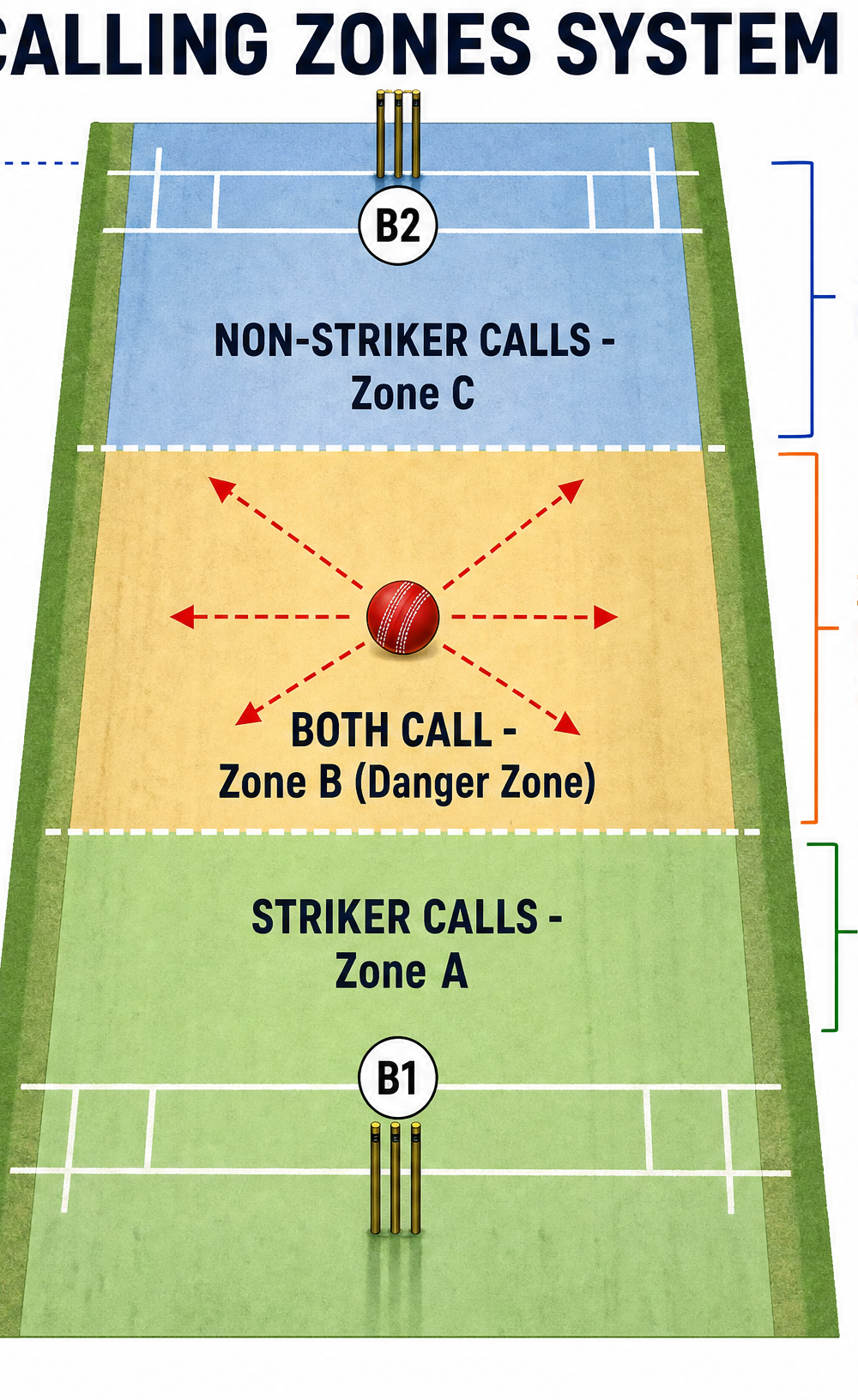
Diagram 1: The Calling Zones System. Zone A (Striker's Call), Zone B (Danger Zone - Both Call), and Zone C (Non-Striker's Call).
3. Step-by-Step Instructions
The Calling Zones Protocol
Before running the physical drill, ensure both batters understand the zones:
- Zone A (Striker's Call): Any ball hit in front of square on the off-side or leg-side (where the striker has a clear view). The striker must call loud and early.
- Zone C (Non-Striker's Call): Any ball hit behind square (e.g., past point or square leg) where the striker's back is turned. The non-striker takes charge.
- Zone B (The Danger Zone): Balls hit straight down the pitch or directly to mid-off/mid-on. Both batters must assess, and the call is usually "Wait" until the ball passes the fielder.
The Run-Out Prevention Drill
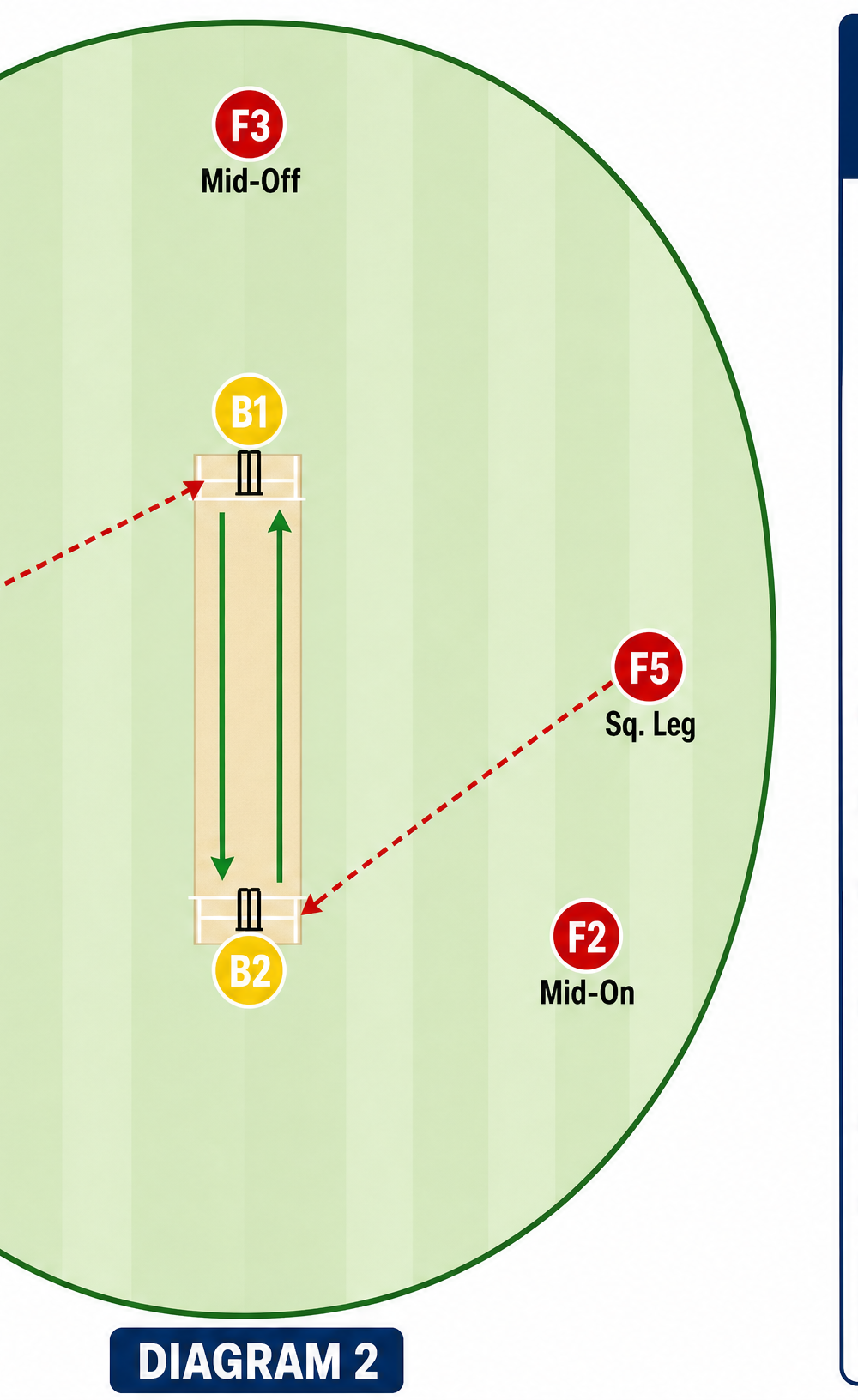
Diagram 2: Drill setup showing fielding positions and movement patterns for practicing the calling system.
- Position the Field: Set up 4-5 fielders in the inner ring (e.g., Cover, Point, Square Leg, Mid-on).
- The Feed: The coach (or a bowler) delivers the ball. The striker (B1) plays a controlled shot to one of the fielders.
- Execute the Call: Based on the zone the ball enters, the responsible batter must make a loud, decisive call: "YES", "NO", or "WAIT".
- The Response: The non-caller must react instantly to the call. If it's "YES", both sprint. If "NO", both stay grounded. If "WAIT", both take a few steps down the pitch, stay balanced, and await the final "YES" or "NO".
- Fielding Pressure: The fielder attacks the ball and attempts a run-out at either end.
- Rotate: After 6 deliveries, rotate the batters and fielders.
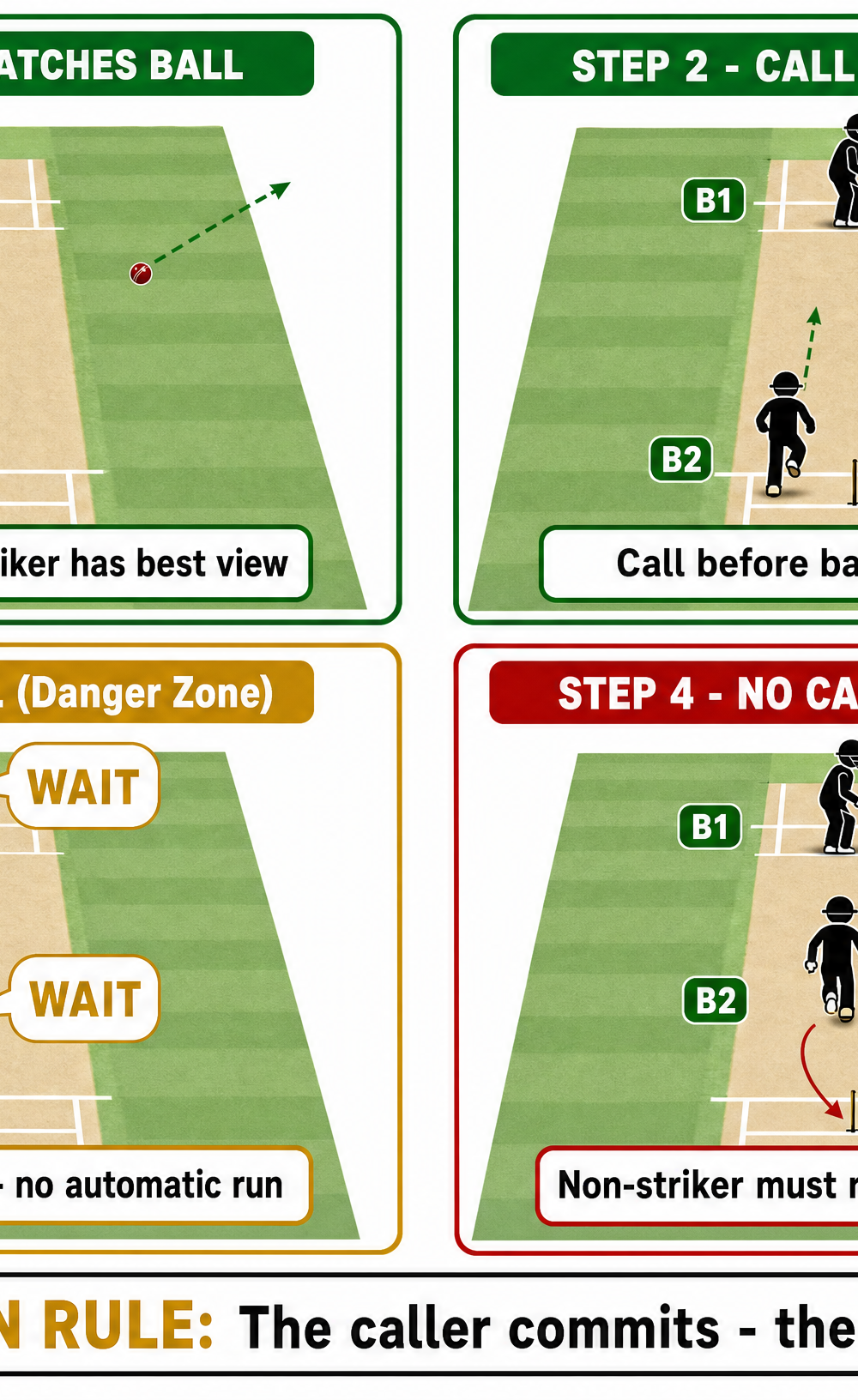
Diagram 3: The visual flowchart for the YES/NO/WAIT decision-making process.
4. Key Coaching Points
- Volume is Vital: A call must be loud enough to be heard over crowd noise and wind. A quiet call is a useless call.
- Call Early: The decision must be made before the ball reaches the fielder. Late calls lead to hesitation.
- Trust the Caller: The golden rule: The caller commits, the runner trusts. If the non-striker calls "YES", the striker must run without looking for the ball.
- The "Wait" Call is Active: "Wait" doesn't mean stand still. It means "move down the pitch, stay balanced, and prepare to run or return."
- Backing Up: The non-striker must back up aggressively but legally, watching the bowler's release before leaving the crease.
5. Common Mistakes
- Ball Watching: The non-caller watches the ball instead of trusting the call, leading to a delayed start.
- Over-running the "Wait" Call: Committing too far down the pitch on a "Wait" call, making it impossible to return if the final call is "NO".
- Silent Running: Assuming the other batter knows what to do without a verbal call.
- Contradictory Calls: Both batters calling simultaneously with different instructions (e.g., one yells "YES", the other "NO"). The zone system prevents this.
6. Variations & Progressions
- Progression 1 (The Pressure Cooker): Move the fielders 5 yards closer to reduce the reaction time. This forces batters to make quicker, more decisive calls.
- Progression 2 (Blind Calling): Have the striker play the ball and immediately close their eyes (or look down). They must rely entirely on the non-striker's call for balls hit behind square.
- Variation (Pairs Competition): Keep score. +1 point for a safe run, -3 points for a run-out or a dangerous miscommunication. The pair with the highest score after 3 overs wins.
7. Age Adaptations
- Under 10s: Simplify the zones. Just focus on "Striker calls in front, Non-striker calls behind." Emphasize loud voices over complex "Wait" scenarios.
- Under 14s: Introduce the "Wait" call and emphasize the importance of aggressive backing up.
- Open/Seniors: Run the drill at match intensity. Introduce misfields and deflections to test the batters' ability to adapt their calls dynamically.